Rodents are more than just occasional nuisances; they can pose serious health risks and cause significant damage to properties. In Los Angeles, where urban sprawl meets natural landscapes, understanding the interplay between climate and rodent activity is crucial for effective management. This article delves into how temperature fluctuations, seasonal changes, and climatic events influence rodent behaviors in this vibrant city.
The Impact of Temperature on Rodent Behavior
Temperature is one of the primary factors affecting rodent activity. In Los Angeles, the climate is characterized by warm, dry summers and mild, wetter winters. These conditions create a unique environment for rodents like rats and mice. As temperatures rise during the summer months, rodents often seek shelter in cooler rodent control company in Los Angeles places such as homes, garages, and other buildings.
During extreme heat events, which have become increasingly common due to climate change, these critters may become more active at night when temperatures drop. This nocturnal shift means that homeowners may not even be aware of an infestation until it becomes severe. Conversely, in cooler months, rodent activity might decrease as they prefer to stay close to food sources and warmth.
Understanding these patterns is vital for homeowners and property managers alike. For instance, if you notice increased rodent sightings in your home during particularly hot spells or after heavy rains, it could be time to contact a rodent control company in Los Angeles for proactive measures.
Seasonal Variations in Rodent Activity
Seasons dramatically influence rodent populations across the country and Los Angeles is no exception. Each season brings different challenges related to rodent behavior.
Spring: Breeding Season
Spring marks a period of increased activity for rodents as they emerge from their winter hideouts. With warmer weather comes the breeding season; female rodents can give birth to multiple litters each year. This exponential growth can quickly lead to infestations if left unchecked.
Homeowners should be vigilant during this time. Common signs of an impending problem include droppings around food storage areas or nests made from shredded materials such as paper or insulation.
Summer: Seeking Shelter
As previously mentioned, summer heat drives rodents indoors seeking cooler environments. They are often drawn to places with easy access to food sources like kitchens or pantries. This is especially true in urban settings where food waste can attract them.
Fall: Preparing for Winter
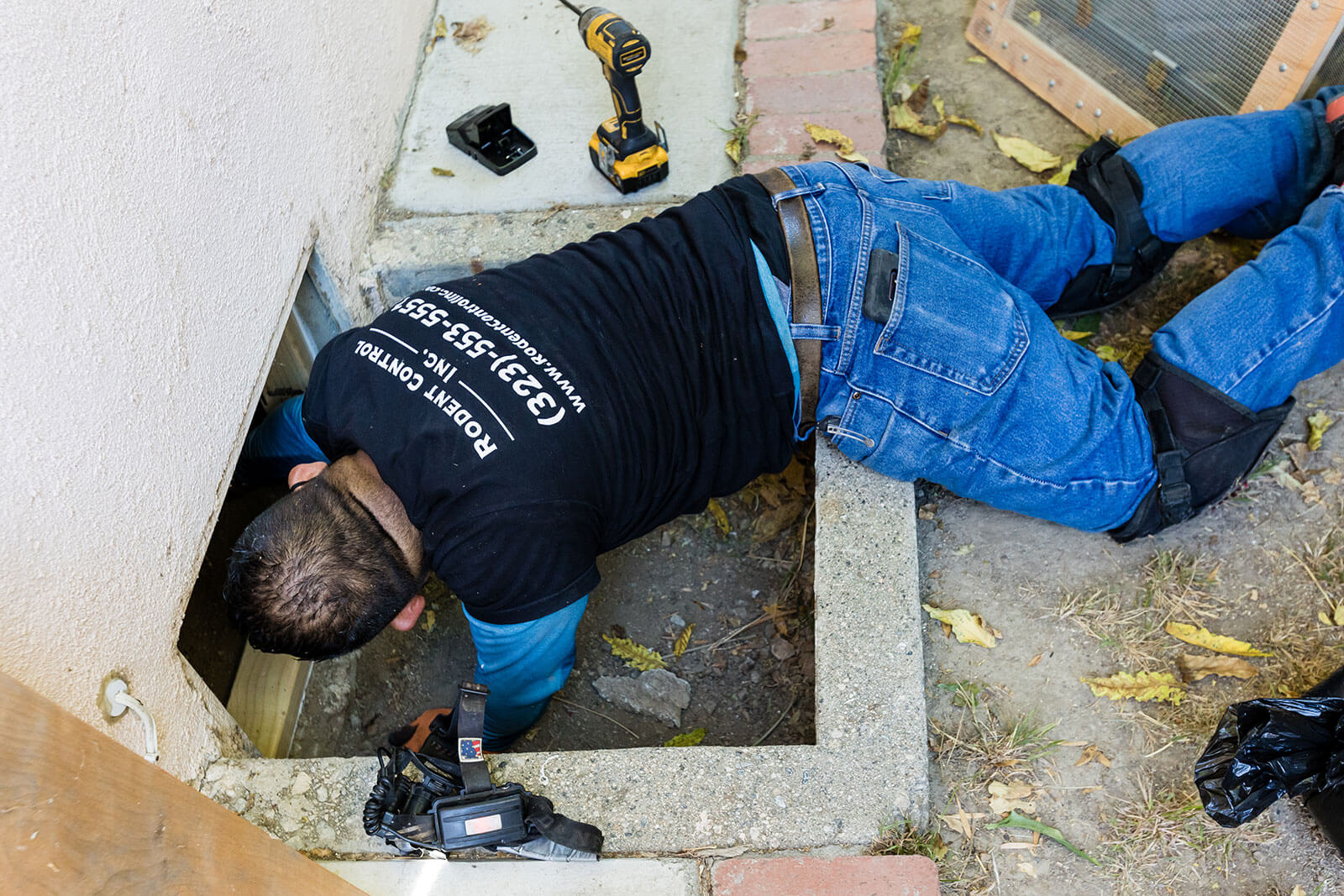
Fall serves as a transitional period when rodents begin searching for overwintering sites. They will look for secure locations that provide protection from colder temperatures and predators. It's essential for homeowners to seal potential entry points—such as gaps under doors or cracks in walls—during this time.
Winter: Dormancy with Risks
While winter typically sees a decline in visible rodent activity due to cold temperatures driving many species into dormancy, rodents do not hibernate completely. Instead, they remain close to their nests while rationing their food sources. This can lead them back into homes if supplies dwindle outside.
During particularly wet winters—which have been increasing due to climate variability—rodents might proliferate even more due to flooding displacing them from their natural habitats.
Climate Events: Floods and Droughts
Los Angeles experiences various weather phenomena that can drastically affect rodent behavior; two of the most significant are floods and droughts.
Flooding Risks
Heavy rainfall can create ideal conditions for rodents by washing away their natural habitats while pushing them toward urban areas seeking refuge from rising waters. A single significant storm can displace entire colonies leading them right into neighborhoods where they may find ample food sources.
After flooding events, the risk of infestation increases significantly due to damp conditions fostering mold growth—another attractant for rodents looking for nesting materials or food sources.
Drought Conditions
On the flip side, drought creates its own set of challenges regarding rodent populations. During prolonged dry spells, natural food sources diminish forcing some species into residential areas where gardens provide sustenance.
In these scenarios, eliminating outdoor food sources—like pet bowls or unsecured trash bins—becomes crucial in mitigating potential infestations before they start.
The Role of Urbanization
Urbanization adds another layer of complexity regarding how climate impacts rodent activity in Los Angeles. The sprawling cityscape creates numerous opportunities for rodents to thrive amid human populations due largely to:
- Availability of discarded food Shelter provided by buildings Water access through irrigation systems or leaky pipes
With ongoing development projects across LA County further disrupting local ecosystems by erasing natural barriers that once kept rodent populations at bay—the importance of effective pest control cannot be overstated.
A reliable rodent control company in Los Angeles understands these dynamics well; they know which seasons bring heightened risks and how environmental changes can alter typical behaviors seen throughout different parts of the cityscape.
Best Practices for Rodent Prevention
For homeowners wishing to reduce their risk of infestation amid changing climatic conditions—there are several proactive measures worth considering:
Seal Entry Points: Inspect your home thoroughly for gaps around windows and doors; use caulk or weather stripping where necessary.
Maintain Cleanliness: Regularly clean up food debris inside your home as well as outdoors; store trash securely.
Landscaping: Keep vegetation trimmed back from structures; make sure there are no overhanging branches that could serve as pathways into attics.
Regular Inspections: Consider scheduling routine inspections with professionals who specialize in pest control tailored specifically towards urban environments like LA.
Educate Yourself: Stay informed about seasonal trends related to local wildlife behavior including what specific signs indicate an outbreak may occur based on temperature shifts or recent weather events.
It's essential not only to react once problems arise but also anticipate potential issues stemming from a rapidly changing climate landscape impacting our living spaces directly here within Southern California's metropolitan area.
Understanding When It’s Time To Call Professionals
Even with diligent preventive measures taken by homeowners—a full-blown infestation may still occur requiring intervention beyond DIY methods available at local hardware stores stocked heavily with traps and poisons designed primarily for minor annoyances rather than comprehensive solutions addressing larger-scale operations necessary against significant numbers present within established colonies residing nearby neighboring properties too!
When faced with overwhelming evidence pointing towards possible infestations resulting from observed droppings found near entryways leading indoors coupled alongside audible noises heard behind walls—it becomes clear enlisting help from an experienced pest management team would yield far better results over attempting self-remedies alone without professional expertise applied strategically aimed towards eradicating existing populations effectively while preventing future occurrences arising again later down line!
Rodent Control Inc., noted among leading providers servicing areas throughout greater Los Angeles region offers numerous options designed uniquely catering towards diverse needs encountered by residents grappling ongoing struggles posed against persistent invaders constantly adapting evolving tactics employed alongside changing climates we face today!
Navigating the complexities surrounding climate effects on rodent behavior requires both awareness and action. By understanding how temperature variations affect activity patterns throughout different seasons combined alongside acknowledging external forces influencing overall population sizes—homeowners can better prepare themselves against potential invasions often exacerbated further through rapid urbanization occurring continuously around us daily!
Rodent Control Inc.
Los Angeles, CA, USA
+1 (323) 553-5551
[email protected]
Website: https://rodentcontrolinc.com